 07971549540
 Send Inquiry
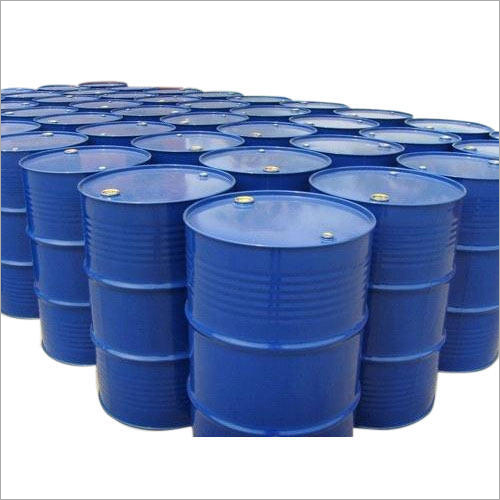
Monoethylene Glycol
60 INR/Kilograms
Product Details:
- Ingredients Monoethylene Glycol (MEG)
- Product Type Monoethylene Glycol
- EINECS No 203-473-3
- Storage Room Temperature
- Ph Level 6 - 8 (at 20 C, 100 g/l H2O)
- Grade Industrial/Technical Grade
- CAS No 107-21-1
- Click to View more
X
Monoethylene Glycol Price And Quantity
- 100 Kilograms
- 60 INR/Kilograms
Monoethylene Glycol Product Specifications
- C2H6O2
- As raw material in manufacturing polyesters, antifreeze in automobile cooling systems, coolant, deicing fluid, humectant in textile and paper industries.
- 99%
- Liquid
- Clear, colorless, syrupy liquid
- Yes (toxic if ingested)
- Colorless, odorless, hygroscopic, miscible with water, proceeds high boiling point and low volatility.
- Odorless
- 29053100
- Liquid
- HOCH2CH2OH
- 1.11 Gram per cubic meter (g/m3)
- 1.431-1.433 (at 20 C)
- 12 months (if stored properly)
- Soluble in water, alcohol, acetone, acetic acid; insoluble in most hydrocarbons
- Antifreeze/coolant in automotive, raw material for polyester fibers and resins, dehumidifiers, heat transfer fluids, chemical intermediate, gas dehydration.
- 107-21-1
- Sweet
- 62.07 g/mol
- -12.9 C
- Industrial/Technical Grade
- 6 - 8 (at 20 C, 100 g/l H2O)
- Room Temperature
- 203-473-3
- Monoethylene Glycol
- Monoethylene Glycol (MEG)
- 16.9 mPas at 25 C
- 410 C
- 0.06 mmHg at 20 C
- UN 1189
- 197.3 C
- 6.1 (Toxic substance)
- Biodegradable; must not be released into the environment undiluted
- 111.1 C (closed cup)
- Available in drums, IBC tanks, bulk tankers
Monoethylene Glycol Trade Information
- Cash Advance (CA)
- 30000 Kilograms Per Month
- 3-4 Days
- Barrel
- Western Europe, Australia, North America, Eastern Europe, Middle East, Central America, South America, Asia, Africa
- All India
Product Description
Monoethylene Glycol (MEG) is a colorless, odorless, and hygroscopic liquid with a sweet taste. It is a clear, colorless, and hygroscopic liquid with a sweet taste. It is a major component of many industrial and consumer products, such as antifreeze, coolants, and solvents. It is used as a raw material in the production of polyester fibers and resins, and is a key ingredient in the production of polyethylene terephthalate (PET) bottles and other plastic containers. MEG is also used as a humectant in food and tobacco processing, and as a solvent in the printing and dyeing industry.
Versatile Industrial Applications
Monoethylene Glycol is extensively utilized in a range of industries, including automotive, textiles, packaging, and chemicals. Its primary roles include acting as an antifreeze/coolant, being a vital raw material for polyester fiber and resin production, serving as a dehumidifier, and being used in heat transfer fluids. It is also applied as a humectant in paper and textile manufacturing, ensuring high efficiency and versatility in performance.
Safe Handling and Storage Guidelines
Monoethylene Glycol should always be handled with care due to its toxic nature. It must be stored in tightly sealed containers, such as drums, IBC tanks, or bulk tankers, at room temperature in a well-ventilated area away from incompatible substances. Professionals handling MEG should use appropriate personal protective equipment and prevent any undiluted release into the environment, aligning with strict hygiene and safety protocols.
Product Benefits and Environmental Impact
MEG demonstrates several desirable properties-high purity, strong solvency, and high boiling point-that contribute to its effectiveness and reliability across different applications. Being biodegradable helps reduce environmental hazards. However, MEG must not be discharged undiluted into the environment to prevent ecological harm, and used or waste material should be disposed of according to regional environmental regulations.
FAQ's of Monoethylene Glycol:
Q: How is Monoethylene Glycol typically used in industries?
A: Monoethylene Glycol is mainly utilized as a raw material for manufacturing polyester fibers, resins, and as an antifreeze/coolant in automotive industries. It also functions as a dehumidifier and a heat transfer fluid in various systems, ensuring optimal operational performance.Q: What safety precautions should be followed when handling Monoethylene Glycol?
A: As MEG is classified as a toxic substance (Hazard Class 6.1), use personal protective equipment, maintain good industrial hygiene, and store it in tightly sealed containers at room temperature. Avoid ingestion and prevent any spillage or undiluted release into the environment.Q: When does Monoethylene Glycol require special storage conditions?
A: Store MEG at room temperature in well-sealed containers-such as drums or IBC tanks-in a well-ventilated area away from heat sources and incompatible materials. Sheltered storage extends its shelf life up to 12 months. Proper labeling is crucial because of its toxic properties.Q: Where should Monoethylene Glycol waste or spills be directed?
A: All waste or accidental spills of Monoethylene Glycol should be collected and disposed of as per local environmental regulations. It must never be released undiluted into the environment to avoid ecological hazards, as it is toxic in concentrated form.Q: What are the main steps in the industrial process involving Monoethylene Glycol?
A: The production process begins with the utilization of MEG as a chemical intermediate, where it reacts with other substances to produce polyester resins and fibers. It can also be blended to prepare antifreeze solutions for automotive and industrial use.Q: What benefits does Monoethylene Glycol offer in its applications?
A: MEG's high purity, hygroscopic nature, and ability to dissolve in water, alcohol, acetone, and acetic acid make it ideal for use in diverse chemical and manufacturing processes. Its high boiling point and low volatility further enhance its effectiveness as a coolant and stabilizer.Tell us about your requirement

Price:
Quantity
Select Unit
- 50
- 100
- 200
- 250
- 500
- 1000+
Additional detail
Mobile number
Email


Contact Us

- Ground Floor, Block No. 351, P2, Tundev, Namisara Road, Savli,Vadodara - 390019, Gujarat, India
- Phone : 07971549540
DHAIRYA INTERNATIONAL
GST : 24AVTPR8967R1ZZ
GST : 24AVTPR8967R1ZZ

- Mr Dhairya Kumar (MD)
- Mobile :07971549540
- Ms. Khushi (Production Manager)
- Mobile :07971549540
- sales@kadarachemicalsindia.com
- Mobile :+918320159980, +918035063440

|


DHAIRYA INTERNATIONAL
All Rights Reserved.(Terms of Use)
Developed and Managed by Infocom Network Private Limited.
Developed and Managed by Infocom Network Private Limited.

