 07971549540
 Send Inquiry
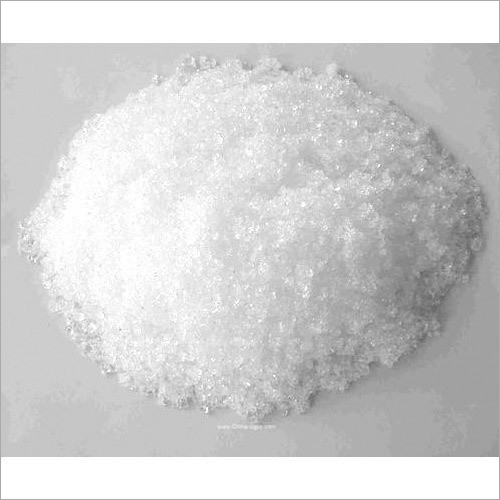
Monoammonium Phosphate MAP
45 INR/Kilograms
Product Details:
- Product Type Monoammonium Phosphate MAP
- Density 1.8 Gram per cubic centimeter(g/cm3)
- Shelf Life 24 months
- Shape Granular/Crystalline
- Molecular Weight 115.03 g/mol
- Storage Room Temperature
- Melting Point 190C (decomposes)
- Click to View more
X
Monoammonium Phosphate MAP Price And Quantity
- 45 INR/Kilograms
- 100 Kilograms
Monoammonium Phosphate MAP Product Specifications
- 99%
- Industrial
- Saline
- 231-764-5
- NH4H2PO4
- 7722-76-1
- Non-poisonous
- Powder
- White crystalline powder
- 4.2 - 4.8 (1% solution)
- NH4H2PO4
- Odorless
- Widely used as a high-efficiency compound fertilizer, food industry, fire retardant, and feed additive
- Soluble in water (37.4 g/100 mL at 20C)
- Technical Grade / Fertilizer Grade
- 28352400
- Water soluble; high purity; highly effective source of phosphorus and nitrogen; free-flowing and non-caking.
- Monoammonium phosphate
- Monoammonium Phosphate MAP
- 115.03 g/mol
- 190C (decomposes)
- Room Temperature
- 1.8 Gram per cubic centimeter(g/cm3)
- Granular/Crystalline
- 24 months
- 52% min
- <10 ppm
- Compatible with most fertilizers except those containing calcium
- 0.005% max
- Not regulated as hazardous material
- 0.2% max
- 4.5
- White
- 0.1% max
- 11% min
- 231-764-5
- 25 kg or 50 kg PP woven bags with PE liner or as required
Monoammonium Phosphate MAP Trade Information
- Cash Advance (CA)
- 300000 Kilograms Per Month
- 3-4 Days
- Western Europe, Australia, North America, Eastern Europe, Central America, Middle East, South America, Asia, Africa
- All India
Product Description
Monoammonium Phosphate (MAP) is a highly-concentrated form of phosphorus and nitrogen fertilizer used in agriculture and horticulture. It is a white, granular or crystalline solid and is highly water-soluble. It is used primarily to supply phosphorus and nitrogen to plants, but it can also provide additional micronutrients such as magnesium, calcium, and sulfur. The nitrogen in MAP is immediately available to plants, while the phosphorus is slowly released over time. It is an excellent source of crop nutrition, and it can be used in organic farming and hydroponic systems.
High Efficiency, Multi-Purpose Compound
Monoammonium Phosphate (MAP) is widely recognized for its efficiency in delivering essential nutrients in various industrial and agricultural applications. This compound is notable for its high phosphorus and nitrogen content, providing superior performance as a fertilizer, as well as utility in food processing and fire retardancy. The product's technical and fertilizer grade quality ensures versatility and reliability for users across multiple sectors.
Outstanding Solubility and Purity
MAP dissolves rapidly in water (37.4 g/100 mL at 20C), ensuring quick availability of nutrients. Its purity of 99% along with extremely low levels of impurities (moisture, heavy metals, chlorides, and insoluble matter) guarantees optimal performance and minimal risk of contamination, making it a preferred choice for applications demanding high standards.
Safe Packaging and Easy Storage
Available in 25 kg or 50 kg PP woven bags with a PE liner, MAP is packaged for safe, moisture-free transport and storage. Its stable crystalline form allows storage at room temperature and a 24-month shelf life. The compound's non-hazardous classification further streamlines logistics, handling, and storage processes.
FAQ's of Monoammonium Phosphate MAP:
Q: How is Monoammonium Phosphate (MAP) used in agriculture and industry?
A: MAP is predominantly used as a high-efficiency fertilizer in agriculture, supplying essential phosphorus and nitrogen for crop growth. In industry, it serves as an additive in the food sector, a fire retardant, and a feed supplement due to its solubility, safety, and nutrient content.Q: What benefits does Monoammonium Phosphate offer compared to other fertilizers?
A: Monoammonium Phosphate provides an easily dissolved, concentrated source of phosphorus and nitrogen, supporting quick and efficient nutrient uptake. It is also low in impurities, non-caking, and compatible with most fertilizers except those containing calcium, maximizing convenience and crop productivity.Q: When should MAP be applied for best results in agricultural use?
A: MAP is most effective when applied at the beginning of the crop cycle or prior to sowing. Early application ensures young plants have immediate access to essential nutrients, promoting vigorous root development and optimizing yield potential.Q: What precautions should be taken when storing MAP?
A: MAP should be kept in its original PP woven bags with a PE liner, stored at room temperature in a dry location to prevent moisture absorption and clumping. Avoid mixing or storing it alongside fertilizers containing calcium to maintain quality and solubility.Q: How does MAP's purity and low impurity content benefit industrial applications?
A: The high purity (99%) and minimal presence of heavy metals, chlorides, and insoluble matter make MAP ideal for sensitive industrial uses such as food processing, where contamination needs to be avoided and consistent performance is required.Q: Where is MAP typically manufactured or exported from?
A: India is a lead manufacturer, exporter, supplier, and trader of Monoammonium Phosphate, offering high-quality product grades for technical, fertilizer, and industrial uses globally.Tell us about your requirement

Price:
Quantity
Select Unit
- 50
- 100
- 200
- 250
- 500
- 1000+
Additional detail
Mobile number
Email

Other Products in 'Phosphate Chemical' category


Contact Us

- Ground Floor, Block No. 351, P2, Tundev, Namisara Road, Savli,Vadodara - 390019, Gujarat, India
- Phone : 07971549540
DHAIRYA INTERNATIONAL
GST : 24AVTPR8967R1ZZ
GST : 24AVTPR8967R1ZZ

- Mr Dhairya Kumar (MD)
- Mobile :07971549540
- Ms. Khushi (Production Manager)
- Mobile :07971549540
- sales@kadarachemicalsindia.com
- Mobile :+918320159980, +918035063440

|


DHAIRYA INTERNATIONAL
All Rights Reserved.(Terms of Use)
Developed and Managed by Infocom Network Private Limited.
Developed and Managed by Infocom Network Private Limited.

